Cleaning large frameless windows can be awkward, time-consuming, and risky—especially when the exterior glass is difficult to reach. The right robot can handle much of the work while you stay safely on the ground.
This roundup compares 10 window cleaning robots for frameless windows, focusing on glass compatibility, suction, spray coverage, navigation, edge detection, controls, and backup safety features.
Best 10 Window Cleaning Robots for Frameless Windows Picks for 2026
Best All-Around Cleaning
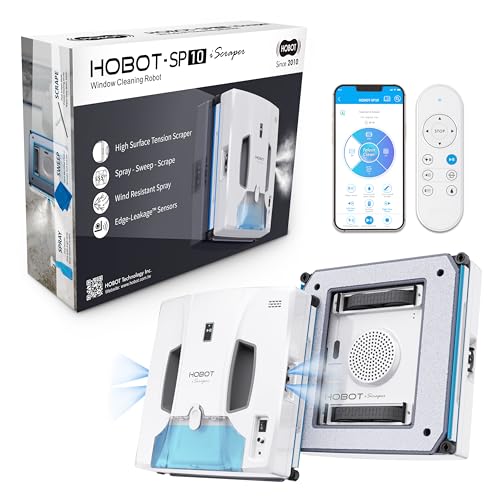
- Spray-sweep-scrape cleaning system
- Edge-leakage sensors for frameless glass
- 6000Pa suction with 20-minute UPS backup
Best For: Edge-focused cleaning on framed, frameless, and reclined glass
Best Premium Edge Coverage

- Round-square dual-stage pad system
- 6500Pa suction with 55N pressure
- 30-minute UPS and 220kg safety rope
Best For: Users wanting advanced edge coverage and stronger cleaning pressure
Best Slim Round Design

- 6400Pa variable suction and dual spray
- Round body for narrow frames and broad coverage
- 30-minute UPS with anti-fall protection
Best For: High windows, mirrors, skylights, and mixed smooth surfaces
Best Budget Framed-Glass Option

- 5600Pa suction with AI path planning
- Three automatic modes and remote control
- 20-minute backup battery and safety rope
Best For: Routine cleaning of framed windows, glass doors, and tiles
Smart Coverage Pick
WISEBOT AI Window Cleaning Robot

- AI navigation with frameless-glass detection and spot cleaning
- Triple spray and 200ml tank for wet cleaning
- Square design with edge and corner coverage
Best For: Large, high, or exterior glass surfaces
Best Overall
WA9C Pro 4-Nozzle Window Cleaning Robot

- Four-nozzle spray system with adjustable volume
- 2600–3200Pa suction and triple safety features
- Six cleaning modes with remote control
Best For: High windows, mirrors, and glass doors
Best High-Suction Pick
6400Pa Dual-Spray Window Robot

- Up to 6400Pa variable-frequency suction
- Dual spray with edge and corner detection
- Includes 178-inch safety rope and 10 replacement mops
Best For: High-rise indoor and outdoor glass
Best AI Navigation
BSD16 Dual-Spray Window Cleaning Robot

- AI 5.0 path planning with edge detection
- Dual nozzles and double-helix cleaning heads
- Three automatic modes plus manual remote control
Best For: Indoor windows, mirrors, and glass doors
Best All-Around Cleaning – HOBOT-SP10 iScraper
For shoppers comparing window cleaning robots for frameless windows, the HOBOT-SP10 stands out for its spray-sweep-scrape system and edge-leakage sensors. Its 6000Pa suction, dual scrapers, and support for framed or frameless glass make it suited to demanding glass-cleaning jobs, including some reclined surfaces.
Best For: Homeowners who want edge-focused cleaning, app or remote control, and added protection for high or difficult-to-reach glass.
Pros:
- Three-step spray, sweep, and scrape process helps reduce residual water and streaks.
- Edge-leakage sensors respond to frameless edges, window seals, and minor frame bumps.
- 6000Pa suction, UPS backup for up to 20 minutes, and a 230kgf safety rope support elevated cleaning.
- Works on reclined windows, greenhouse roofs, and solar panels from approximately 7° to 100°.
Cons:
- Its corded-electric design still requires a power connection while operating.
- The more advanced spray-and-scrape system may require more setup and maintenance than simpler robots.
The HOBOT-SP10 is a strong choice when frameless-edge handling and water removal matter as much as basic automation. Replaceable scrapers and nozzles, plus machine-washable cloths, add useful long-term practicality.
Best Premium Edge Coverage – HUTT 10 Round-Square Robot
The HUTT 10 uses an unusual round-square dual-pad design that combines wet lifting with dry polishing. For window cleaning robots for frameless windows, that design is particularly appealing because the square pad is intended to improve edge and corner coverage while NAVI 7.0 mapping plans cleaning routes.
Best For: Users who prioritize close edge work, dual-stage cleaning, strong pressure, and extended power-loss protection.
Pros:
- Round wet-lifting and square dry-polishing pads help address edges, corners, and frame lines.
- 6500Pa suction and a 55N constant-pressure suspension base support stable, forceful cleaning.
- Dual ultrasonic spray, an 80ml tank, NAVI 7.0 mapping, and 14 sensors provide broad automation.
- Built-in UPS protection lasts up to 30 minutes, with a 220kg safety rope included.
Cons:
- Purified water is recommended, and cleaning liquid is not included.
- Wet pads or dirty, damp drive tracks can reduce traction and cause drifting or slipping.
- The feature-rich system may be more involved to prepare than a basic remote-controlled model.
With its dual-shape pad approach, the HUTT 10 is designed to balance broad surface coverage with more precise edge and corner cleaning. It is a compelling option for larger or especially dirty glass when careful pad preparation is acceptable.
Best Slim Round Design – X6 High-Window Cleaner
The X6 is a slim, round window-cleaning robot designed for inside and outside glass, mirrors, skylights, and tile walls. Among window cleaning robots for frameless windows, its round profile and edge-detection system may suit users who want broad surface coverage with a simple remote-controlled operation.
Best For: Apartments, offices, and homes with high windows, floor-to-ceiling glass, mirrors, or other smooth surfaces.
Pros:
- 6400Pa variable suction adjusts to glass conditions and supports vertical cleaning.
- Dual-spray nozzles help wet the surface evenly, while smart navigation plans a cleaning path.
- UPS protection lasts up to 30 minutes, with anti-fall sensors and a safety cable rated for at least 150 pounds.
- Round body is designed to cover 95% of the area and fit narrow window frames.
Cons:
- Excess water can cause smearing or reduce traction, so pad moisture must be controlled.
- Very dirty windows may require two cleaning passes and timely pad replacement.
- Operation is corded electric despite the built-in backup battery.
The X6 offers a straightforward balance of suction, spraying, navigation, and safety features. Its round form makes it a practical candidate for mixed household surfaces, provided users follow the recommended moisture and pad-care guidance.
Best Budget Framed-Glass Option – CHOVERY AI Window Robot
The CHOVERY window-cleaning robot is a simpler, remote-controlled option for framed windows, glass doors, and tiles. While shoppers seeking window cleaning robots for frameless windows should note its stated framed-window focus, its AI path planning, edge detection, and 5600Pa suction cover many routine glass-cleaning needs.
Best For: Users seeking a basic automated cleaner for framed windows, class doors, tiles, and household glass surfaces.
Pros:
- AI path planning offers three automatic cleaning modes plus manual remote control.
- 5600Pa suction, edge detection, and anti-fall control support vertical operation.
- Backup battery maintains suction for approximately 20 minutes during a power outage.
- Includes a spray bottle, remote control, and a one-year warranty.
Cons:
- The product is specifically described for framed windows and may be less suitable for frameless edges.
- It must remain connected to power while working.
- Overly wet fiber mats can reduce suction and cause slipping, so preparation is important.
The CHOVERY is best viewed as a straightforward framed-glass specialist rather than a dedicated frameless-window solution. Its low-complexity controls and safety features can make it useful for routine cleaning when the surface meets the stated size and thickness requirements.
Smart Coverage Pick – WISEBOT AI Window Cleaning Robot
For shoppers comparing window cleaning robots for frameless windows, WISEBOT stands out for its AI navigation, frameless-glass detection, and square design. Triple-spray wet cleaning, spot cleaning, and reusable microfiber pads make it suited to larger glass surfaces and more demanding cleaning sessions.
Best For: Large, high, or exterior glass surfaces where edge coverage and targeted stain cleaning matter.
Pros:
- AI route planning includes frameless-glass detection, obstacle recognition, and spot cleaning.
- Triple-spray system and 200ml water tank support wet cleaning across larger windows.
- Square body, corner pads, and edge-cleaning mode improve coverage near edges and corners.
- Safety rope, anti-fall sensors, power-failure alarm, and UPS backup add protection.
Cons:
- Its larger feature set may be more than needed for simple, light indoor touch-ups.
- Wet cleaning requires filling and maintaining the water tank and reusable pads.
WISEBOT is a strong option when frameless-window compatibility, intensive cleaning modes, and broad glass coverage are priorities. Its safety features are useful for elevated surfaces, although users should still follow the operating instructions carefully.
Compact Everyday Pick – ECOVACS WINBOT MINI
Among window cleaning robots for frameless windows, the ECOVACS WINBOT MINI is designed for convenient routine cleaning. Its compact, lightweight form, ultrasonic spray, intelligent path planning, and strong suction make it practical for apartments, narrow windows, and quick indoor touch-ups.
Best For: Small or narrow indoor windows and users who want a simple robot for light, frequent cleaning.
Pros:
- Compact 8.46-inch square body is easy to handle and store.
- Ultrasonic dual-nozzle spray helps with routine dust, fingerprints, and light stains.
- Three cleaning modes and intelligent path planning offer flexible operation.
- Strong suction, anti-slipping performance, and a nine-stage protection system support stable use.
Cons:
- It is optimized for light everyday dirt; heavily soiled glass may require multiple cycles.
- The supplied usage information specifies indoor use, limiting its fit for exterior cleaning.
WINBOT MINI makes the most sense for shoppers who value easy setup, quiet operation, and a small footprint over heavy-duty stain removal. Its compact design is particularly useful where larger robots would be cumbersome.
Adaptive Suction Pick – Tosima W5 Window Cleaning Robot
The Tosima W5 is a practical choice for window cleaning robots for frameless windows, combining adaptive suction with an air-pressure sensor that detects edges. Its dual-spray system, intelligent navigation, and remote control support straightforward cleaning on smooth glass surfaces.
Best For: Frameless glass and smooth surfaces where secure grip, edge detection, and outage protection are important.
Pros:
- Variable-frequency adaptive suction reaches up to 6400Pa and adjusts to the surface.
- Air-pressure sensing helps detect edges while cleaning frameless glass.
- Dual-spray cleaning helps loosen fingerprints, dust, and stubborn stains.
- Triple safety system includes a safety rope rated up to 220kg and backup power for up to 25 minutes.
Cons:
- The unit weighs 4 pounds, making it less lightweight than some compact models.
- Remote control is the stated control method, with no app control listed in the supplied details.
Choose the W5 when adaptive grip and safety provisions are more important than the smallest possible body. Its replaceable spray and water-tank components also make routine maintenance more manageable over time.
Best Overall – WA9C Pro 4-Nozzle Window Cleaning Robot
For shoppers comparing window cleaning robots for frameless windows, the WA9C Pro stands out for its four-nozzle spray system, strong suction monitoring, and multiple cleaning paths. Its remote control and edge-cleaning features make it practical for high windows, mirrors, and glass doors, though the safety rope should always be anchored for overhead work.
Best For: High windows, glass doors, mirrors, and users who want adjustable spray coverage and several navigation modes.
Pros:
- Four precision nozzles provide even water coverage, with regular and large spray settings.
- 2600–3200Pa suction, an air-pressure monitor, and a bottom drop sensor help maintain adhesion.
- Offers N-shaped, Z-shaped, and manual cleaning modes through the included remote.
- Backup battery keeps the robot attached for up to 25 minutes during a power interruption.
Cons:
- Requires an AC power connection during normal operation.
- The supplied 8-inch cleaning path may require multiple passes on larger panes.
- Overhead use requires securely anchoring the included safety rope.
The WA9C Pro is a feature-rich choice when spray control and safety monitoring matter most. It is especially appealing for hard-to-reach glass, provided you follow the setup instructions and keep the microfiber pads properly maintained.
Best High-Suction Pick – 6400Pa Dual-Spray Window Robot
This updated model is a compelling option among window cleaning robots for frameless windows because it combines variable-frequency suction with dual-direction spraying and edge-and-corner detection. Its backup battery and long safety rope add reassurance for indoor or outdoor high-rise glass, while the included replacement pads support repeated cleaning.
Best For: High-rise glass, indoor and outdoor cleaning, and households dealing with dust, water stains, or heavier grime.
Pros:
- Variable-frequency suction reaches up to 6400Pa for a secure hold across different glass surfaces.
- Dual-direction automatic spray and edge detection are designed for broad, streak-free coverage.
- Includes a backup battery, 178-inch safety rope, remote control, and 10 replacement mops.
- Provides quick, deep, and spot-cleaning modes.
Cons:
- Cleaning solution should be pre-applied to the glass rather than poured into the machine.
- The supplied notes list the water tank as both 85ml and 90ml, so capacity details should be verified before purchase.
- Pads should be sprayed to approximately 50–70% humidity before use.
With the strongest stated suction of these three options, this robot is geared toward demanding or elevated glass-cleaning tasks. Its preparation requirements are more specific, but the safety equipment and generous mop supply add practical value.
Best AI Navigation – BSD16 Dual-Spray Window Cleaning Robot
The BSD16 is a straightforward choice for shoppers seeking window cleaning robots for frameless windows with automated path planning. Its AI 5.0 navigation, edge detection, dual water nozzles, and remote-controlled modes are designed to cover glass surfaces while adjusting around frames and obstacles.
Best For: Indoor windows, mirrors, and glass doors where automated navigation and remote-controlled spot cleaning are priorities.
Pros:
- AI 5.0 path planning and edge detection help the robot navigate around frames and obstacles.
- Dual water nozzles, double-helix cleaning heads, and microfiber pads target fingerprints and smudges.
- Remote control provides three automatic modes plus manual operation and spray adjustment.
- 3000Pa suction, a UPS power system, and a high-strength safety rope support secure operation.
Cons:
- Its stated 3000Pa suction is lower than the 6400Pa rating of the high-suction alternative.
- The listed 50ml capacity may require more frequent refilling for larger cleaning jobs.
- The product details specify indoor usage.
The BSD16 emphasizes navigation flexibility rather than maximum suction or tank capacity. It makes sense for routine indoor glass maintenance when you want automated paths, edge detection, and manual control from the remote.
How We Picked the Best Window Cleaning Robots for Frameless Windows
We evaluated these models by comparing the features that matter most on frameless glass: reliable suction, surface detection, edge and corner handling, spray consistency, cleaning-path accuracy, and safety redundancy. We also considered whether each robot is practical for indoor and outdoor use, large panes, high windows, and routine maintenance.
Because frameless windows lack a conventional raised frame, edge detection and stable navigation are especially important. A robot should identify the glass boundary without depending on a window frame for support, and it should include a tether or other backup system for safer operation.
Quick Comparison
| What to Compare | Why It Matters |
|---|---|
| Suction rating | Higher rated suction can improve grip, but real-world performance also depends on glass cleanliness, seals, and robot weight. |
| Spray system | Single, dual, or triple-nozzle designs can affect coverage and how often you need to refill or dampen the cleaning pads. |
| Navigation | AI, path planning, and edge detection help reduce missed areas and improve performance on large frameless panes. |
| Safety features | A tether, backup battery, suction monitoring, and automatic stopping help reduce risk if power or grip is interrupted. |
Key Buying Factors for Frameless Glass
Edge Detection and Corner Coverage
Look for a model specifically described as suitable for frameless windows or equipped with edge detection. Square-bodied robots may reach corners more effectively, while compact designs can be easier to position on smaller panes. No robot should be expected to clean silicone joints, deep gaps, or heavily obstructed edges perfectly.
Suction and Surface Compatibility
Pa ratings are useful for comparison, but they are not a guarantee of performance. Smooth, dry, relatively clean glass generally provides the best seal. Check whether the robot supports indoor and outdoor use, and confirm the recommended pane size and surface restrictions before operating it.
Spray, Pads, and Cleaning Modes
Automatic spray systems are convenient, but excess liquid can reduce grip or leave streaks. Selectable cleaning modes are helpful when you want a fast maintenance pass or a slower, more thorough cycle. Reusable pads and readily available replacements also affect long-term value.
Controls and Safety
Remote controls are useful for positioning and stopping the robot, while app support may provide additional modes or status information. Prioritize triple-safety systems, backup power, strong tethers, obstacle detection, and clear alerts over headline suction numbers alone.
Who Should Buy Which Window Cleaning Robots for Frameless Windows?
Choose a compact model if you mainly clean smaller interior panes or need easier storage. A high-suction robot with smart navigation is better suited to large exterior windows and high-reach areas. If corner coverage is a priority, consider a square design with dedicated edge detection. Buyers who want simpler operation should favor remote-controlled models, while app-connected robots may appeal to users who want more control over cleaning modes and status updates.
Whichever model you choose, test it first on an accessible pane, use clean compatible pads, secure the safety tether, and supervise every cleaning cycle—particularly outdoors or on large frameless windows.