Choosing a professional camera stabilizer is about more than smoothing out shake. The right model should match your camera weight, shooting style, and workflow without slowing you down.
Below, we focus on practical features that matter on real shoots: payload, balance time, vertical shooting, tracking tools, and comfort for all-day use.
Best 10 Professional Camera Stabilizer Picks for 2026
Flagship smart pick
DJI RS 5 for pro rigs and fast setup
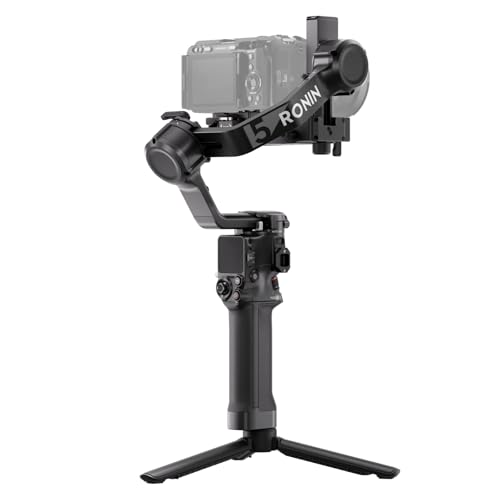
- Enhanced Intelligent Tracking for people, vehicles, or pets
- Fine-tuning knobs and automated axis locks speed setup
- Up to 14 hours standby with 1-hour charging
Best For: solo creators and fast-paced shoots with heavier camera setups
High-end cinema option
DJI RS 4 Pro for heavier camera builds

- 4.5 kg payload for mirrorless and cinema rigs
- Native vertical shooting and dual motor control
- LiDAR focus support with 76,800 ranging points
Best For: cinematographers and advanced creators using larger camera builds
Solo creator kit
FeiyuTech SCORP 3 with AI tracking

- 3.5 kg payload for heavier mirrorless and cinematic lenses
- App-free AI tracking and 39 ft remote handle
- 1-second vertical switch with no rebalancing
Best For: solo creators who want a full-featured gimbal kit
Ultra-light travel pick
DJI RS 3 Mini for compact camera setups
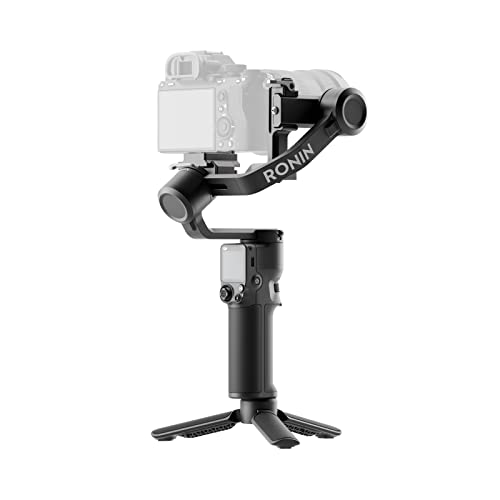
- 795 g body is easy to carry for long shoots
- 2 kg tested payload for compact camera/lens combos
- Bluetooth shutter control and native vertical shooting
Best For: travel shooters and lightweight mirrorless users
Flagship Carbon-Fiber Control
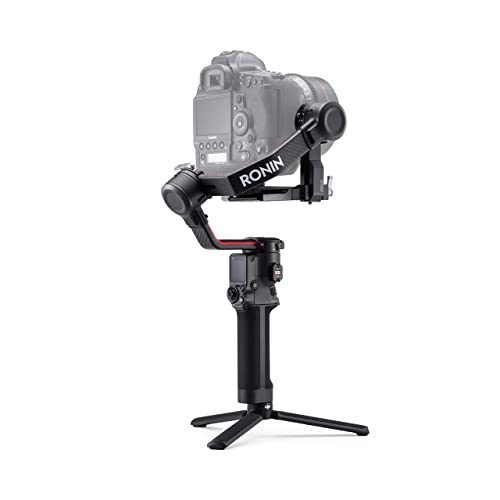
- Supports heavier DSLR and mirrorless setups
- Carbon-fiber build with 1.4-inch touchscreen
- SuperSmooth mode for steadier video
Best For: Creators who need a sturdier stabilizer for larger camera rigs
Compact Creator Pick

- Auto axis locks speed up setup
- Native vertical shooting for social content
- Includes tracking module and briefcase handle
Best For: Solo creators who want fast setup and lightweight stabilization
Long-Run Sling Option

- 3 kg payload for DSLR and mirrorless rigs
- Up to 16 hours of battery life
- Built-in vertical shooting and Bluetooth control
Best For: Videographers who value comfort, endurance, and vertical shooting
Heavy-Rig Pick
Pro Video Stabilizer for Heavy Camera Rigs

- 7.72 lb payload for larger camera and lens combinations
- Built-in AI tracking works without an app
- Detachable underslung handle supports low-angle comfort
Best For: Heavier mirrorless or cinema setups with fast vertical workflow
All-Around Creator Choice
Compact Gimbal for Fast Vertical Shooting

- Native vertical shooting without extra accessories
- Teflon-coated axis arms help balancing feel smoother
- 3 kg payload suits many mirrorless camera setups
Best For: Mirrorless creators who switch often between horizontal and vertical
Smart Midweight Option
Budget-Friendly AI Tracking Gimbal

- Built-in AI tracking sensor for subject following
- Quick vertical filming with upgraded L-shaped plates
- 1.3-inch touchscreen plus multifunction control knob
Best For: Creators wanting tracking features on a midweight camera rig
Flagship smart pick – DJI RS 5 for pro rigs and fast setup
If you want a professional camera stabilizer that emphasizes speed, precision, and smart tracking, the DJI RS 5 is built for demanding shoots. Its fine-tuning knobs, automated axis locks, and Z-axis indicator help streamline balancing and make steadier handheld movement easier to repeat.
Best For: Solo creators and run-and-gun shooters who want fast setup, subject tracking, and polished stabilization with heavier camera builds.
Pros:
- Enhanced Intelligent Tracking can frame and follow a person, vehicle, or pet from the touchscreen.
- Fine-tuning knobs on each axis and Teflon interlayers help with precise balancing.
- 2nd-gen automated axis locks speed up storage and shooting transitions.
- Quick 1-hour charging and up to 14 hours of standby time reduce downtime.
Cons:
- Only rated as not water resistant.
- Ronin app download now requires DJI’s official website instead of Google Play.
Overall, the RS 5 is a strong choice if you value a fast workflow and smart stabilization features over a bare-bones gimbal. It looks especially appealing for creators who want a more polished, production-friendly tool right out of the box.
High-end cinema option – DJI RS 4 Pro for heavier camera builds
The DJI RS 4 Pro is a professional camera stabilizer aimed at larger DSLR and cinema setups that need more torque and control. With native vertical shooting, dual focus and zoom motor support, and LiDAR-based focusing, it is clearly designed for advanced production workflows.
Best For: Cinematographers and serious creators who need a high-payload gimbal for larger mirrorless or cinema camera rigs.
Pros:
- 4.5 kg payload capacity supports mainstream mirrorless and cinema camera setups.
- 2nd-gen native vertical shooting makes social content framing quick and simple.
- LiDAR focusing adds 76,800 ranging points within 20 m for more intelligent focus assistance.
- Includes ecosystem-friendly controls plus a carrying case and quick-release plate.
Cons:
- The BG70 high-capacity battery grip is sold separately for the longest runtime.
- Only rated as not water resistant.
If you need a stabilizer that can handle a more ambitious production setup, the RS 4 Pro offers a lot of serious tools in one package. It is best suited to users who want creative flexibility, precise control, and room to grow into more complex rigs.
Solo creator kit – FeiyuTech SCORP 3 with AI tracking
The FeiyuTech SCORP 3 KIT is a professional camera stabilizer made for creators who want a feature-rich gimbal without a complicated setup. It combines a 3.5 kg payload, integrated AI tracking, and a detachable touchscreen handle with a full accessory bundle.
Best For: Solo shooters and content creators who want app-free tracking, quick vertical switching, and a loaded kit.
Pros:
- 3.5 kg payload handles heavier mirrorless bodies and cinematic lenses.
- Built-in AI tracking works at the hardware level with no app download required.
- Detachable touchscreen handle doubles as a wireless remote up to 39 feet away.
- 1-second vertical switching eliminates rebalancing for portrait content.
Cons:
- Only rated as not water resistant.
- Its full kit includes many accessories, which may be more than minimal users need.
As a bundle, the SCORP 3 KIT is focused on convenience and solo operation. If you want a stabilized camera setup that is ready for video, vertical content, and tracking right out of the box, this one stands out.
Ultra-light travel pick – DJI RS 3 Mini for compact camera setups
If portability matters most, the DJI RS 3 Mini is a professional camera stabilizer that keeps weight low without giving up core stabilization features. At 795 g, it is easy to carry, but still supports camera setups up to 2 kg and includes native vertical shooting and Bluetooth shutter control.
Best For: Travel shooters and lightweight mirrorless users who want a compact gimbal for everyday handheld filming.
Pros:
- Very lightweight at 795 g, making it easy to hold for longer shoots.
- 2 kg tested payload fits a wide range of compact camera and lens combinations.
- Bluetooth shutter control simplifies photo and video recording.
- Native vertical shooting is convenient for social-first content.
Cons:
- Lower payload limit than the larger RS 4 Pro and RS 5.
- Only a 1.4-inch touchscreen, so the interface is compact rather than expansive.
The RS 3 Mini makes sense if you want a smaller stabilizer that is still built for serious use. It is a practical option for creators who value easy transport and quick everyday operation more than maximum payload.
Flagship Carbon-Fiber Control – DJI RS 2 3-Axis Gimbal
If you want a professional camera stabilizer built for heavier camera setups, the DJI RS 2 is aimed at serious DSLR and mirrorless shooting. Its carbon-fiber construction, 1.4-inch full-color touchscreen, and tested payload support make it a strong fit for controlled video work where smooth movement and reliable handling matter.
Best For: Filmmakers using DSLR or mirrorless cameras who need a sturdy, high-payload gimbal for polished video work.
Pros:
- Tested payload support up to 10 lbs, with a 5.8 kg maximum weight recommendation listed in the notes.
- Carbon-fiber monocoque axis arms help keep the build strong while staying relatively light at 1.3 kg.
- 1.4-inch full-color touchscreen provides on-gimbal control and monitoring.
- SuperSmooth stabilization mode is designed for smoother footage during video capture.
Cons:
- Heavier and larger than compact travel gimbals.
- Not water resistant, so it needs basic care in wet conditions.
- App availability note mentions Google Play removal, so setup may require downloading from DJI directly.
Overall, the RS 2 is best understood as a robust professional camera stabilizer for users prioritizing payload support and build quality over portability. If your rig is closer to a full camera setup than a lightweight vlog build, this is the more serious tool in the group.
Compact Creator Pick – DJI RS 4 Mini Combo
The DJI RS 4 Mini Combo is a compact professional camera stabilizer for creators who want quick setup and flexible shooting modes. With auto axis locks, native vertical shooting, and the included Intelligent Tracking Module, it is built for fast-moving solo shoots, social content, and easy camera-to-phone workflows.
Best For: Solo creators and mobile-first shooters who want a lightweight gimbal with fast vertical switching and tracking.
Pros:
- Auto axis locks help it get ready in about 1 second.
- Native vertical shooting switches fast for social-friendly content.
- Includes Intelligent Tracking Module and briefcase handle for follow-filming and low-angle shots.
- Supports cameras and smartphones, with a 2 kg payload limit.
Cons:
- Lower payload than full-size camera gimbals.
- Not water resistant.
- Best suited to compact mirrorless, vlog, and phone setups rather than heavier rigs.
As a lightweight stabilizer, the RS 4 Mini Combo focuses on speed and convenience more than brute carrying power. That makes it a smart choice when you want smooth footage, quick orientation changes, and tracking features without a bulky setup.
Long-Run Sling Option – ZHIYUN Weebill 3E Gimbal
The ZHIYUN Weebill 3E is a professional camera stabilizer designed around comfort, battery life, and versatile shooting positions. Its 3 kg payload, native vertical shooting, Bluetooth shutter control, and sling-style handling make it a practical choice for DSLR and mirrorless users who shoot for longer stretches.
Best For: Videographers who need a lightweight gimbal with long battery life and comfortable low-angle shooting support.
Pros:
- 3 kg tested payload handles many common mirrorless and DSLR setups.
- Up to 16 hours of battery life supports all-day shooting.
- Native vertical shooting is built in, without extra accessories or dismantling.
- Bluetooth shutter control can start/stop recording or trigger photos wirelessly.
Cons:
- Only the Panasonic control cable is included, so other camera brands may need extra cables.
- Sling grip and wrist rest are mentioned as separate purchases.
- Not water resistant.
The Weebill 3E stands out if comfort and endurance matter as much as stabilization. It is especially appealing for long sessions, low-angle work, and social-first vertical shooting, provided you check camera compatibility before buying.
Heavy-Rig Pick – Pro Video Stabilizer for Heavy Camera Rigs
If you need a professional camera stabilizer for heavier mirrorless or cinema-style setups, the FeiyuTech SCORP 3 is built to handle demanding rigs without feeling cramped. Its 7.72 lb payload, built-in AI tracking, and native vertical shooting make it a practical choice for solo creators who move between handheld work, low angles, and social-first content.
Best For: Filmmakers and solo shooters using heavier Canon, Sony, Nikon, or Panasonic rigs who want fast vertical switching and built-in subject tracking.
Pros:
- 7.72 lb payload supports larger full-frame DSLR and cinema camera setups.
- Built-in AI tracking works without an app or extra accessories.
- Detachable underslung handle helps reduce wrist fatigue and improves low-angle control.
- Native vertical shooting lets you switch to portrait formats quickly.
Cons:
- Heavier and larger than compact gimbals at 3 lb.
- Designed for cameras, not lighter phone-based workflows.
- AI tracking range and remote control features may be more than casual users need.
The SCORP 3 stands out when payload capacity and fast workflow matter more than keeping the rig minimal. If your shoots regularly include heavier lenses or you want a gimbal that simplifies vertical content creation, it offers a strong mix of control and convenience.
All-Around Creator Choice – Compact Gimbal for Fast Vertical Shooting
The DJI RS 4 is a professional camera stabilizer aimed at creators who want smooth balancing, quick mode changes, and an efficient path to vertical content. With 2nd-gen native vertical shooting, Teflon-coated axis arms, and a 3 kg payload, it fits mainstream mirrorless camera setups while keeping day-to-day operation straightforward.
Best For: Mirrorless shooters and solo creators who want a polished gimbal with quick vertical conversion and flexible control modes.
Pros:
- Native vertical shooting switches quickly without extra accessories.
- Teflon-coated axis arms reduce friction for smoother balancing.
- 2-mode switch joystick makes PF, PTF, and FPV control fast to access.
- 3 kg payload covers many mainstream camera and lens combinations.
Cons:
- Payload is lower than some heavier-duty gimbal options.
- Battery grip for extended runtime is sold separately.
- Not water resistant.
RS 4 is a strong all-around choice if your workflow values quick setup changes and clean control over a compact but capable rig. It is especially appealing for creators who regularly switch between horizontal and vertical framing.
Smart Midweight Option – Budget-Friendly AI Tracking Gimbal
The FeiyuTech SCORP 2 is a practical professional camera stabilizer for shooters who want smart features without a lot of setup overhead. Its built-in AI tracking sensor, quick vertical filming system, and 1.3-inch touchscreen make it a flexible option for DSLR and mirrorless users working across photo and video.
Best For: Creators who want integrated subject tracking and an easy vertical-shooting setup on a midweight camera rig.
Pros:
- Integrated AI tracking sensor enables subject following without extra accessories.
- Upgraded L-shaped plates support quick vertical filming.
- Wireless or cable control adds flexibility for camera operation.
- 1.3-inch touchscreen and multifunction knob simplify adjustments.
Cons:
- 2.5 kg payload is lower than heavier-duty stabilizers.
- Requires the app for some advanced functions.
- Not water resistant.
SCORP 2 is a good fit if you want AI-assisted shooting and vertical convenience in a lighter package. It balances useful automation with hands-on controls, making it a smart option for creators who value versatility over maximum load capacity.
How We Picked the Best Professional Camera Stabilizer
We prioritized stabilizers that offer dependable motor strength, workable payload limits, and features that speed up setup in the field. For a Professional Camera Stabilizer, that means stable operation with mirrorless or DSLR rigs, usable control layouts, and enough flexibility for handheld, vertical, and run-and-gun shooting.
We also looked for models that reduce friction in production: quick-release systems, automated axis locks, accessory support, and tracking or focus control where available. The goal was to favor gear that helps you move faster without sacrificing stability.
Quick Comparison
The best choice depends on the camera system and how you shoot. Compact models are better for travel, solo creators, and lightweight mirrorless setups. Mid-range options usually offer the best balance of payload, portability, and control. Heavier-duty stabilizers make more sense for cinema builds, larger lenses, or rigs that need extra room for accessories.
If you frequently shoot social content, look closely at native vertical shooting and tracking support. If you work on narrative, commercial, or event productions, prioritize payload, balance precision, and handle comfort over extra automation.
Key Buying Factors for Professional Camera Stabilizer
Payload and Camera Compatibility
Always match the stabilizer’s rated payload to your full setup, not just the body. Lens weight, batteries, microphones, cages, and wireless accessories all affect balance. Leave headroom so motors do not run near their limit.
Balance, Setup, and Workflow
Fast balance adjustments matter when switching lenses or moving between setups. Features like automated axis locks, fine-tuning knobs, and quick-open or quick-release hardware can save a lot of time during production days.
Shooting Modes and Control
Native vertical shooting is valuable for reels, shorts, and client deliverables. Dual focus or zoom motor support can also be a major advantage if you need precise lens control while moving.
Comfort and Portability
Consider weight, grip design, and whether a briefcase handle or detachable handle improves long takes. A stabilizer that feels light in hand but still supports your rig often ends up being the most useful option.
Smart Features
AI tracking and app-based control can be helpful for solo creators, interviews, and controlled motion shots. Just make sure these features complement, rather than complicate, your workflow.
Who Should Buy Which Professional Camera Stabilizer?
Buy a compact model if you mainly shoot with lightweight mirrorless cameras and want something easy to travel with. Choose a mid-tier all-rounder if you need one tool for everyday video, vertical content, and occasional professional work.
Step up to a higher-payload Professional Camera Stabilizer if you use larger DSLR or cinema setups, heavier lenses, or accessory-packed rigs. If you often work alone, prioritize intelligent tracking and simple controls. If you shoot demanding client work, focus on payload, balance stability, and reliable handling first.